
Did you know the world’s biggest battery manufacturer just set up shop in the U.S.? That’s right. Contemporary Amperex Technology Co. Limited (CATL) has kicked off production at its new battery facility, thanks to a tech licensing deal with Ford. This isn’t just another factory; it signifies a major shift in how CATL approaches the global market.
At an annual conference held by the China Automotive Power Battery Industry Innovation Alliance, CATL’s Vice President, Meng Xiangfeng, confirmed this significant development. It’s not just about exporting products anymore. CATL is moving towards a model where they invest and trade, integrating more closely with local markets. This month, they’re also gearing up to start production in Hungary and Indonesia. But the Ford deal? It’s something else entirely.
Project Evolution and Challenges
This collaboration hasn’t been smooth sailing. Initially announced in February 2023, Ford had grand plans for a $3.5 billion lithium iron phosphate (LFP) battery plant in Michigan. The goal was ambitious—35 GWh capacity to support up to 400,000 electric vehicles. But political and economic headwinds hit hard.
Despite the bumps in the road, Ford has kept the partnership alive. They’ve adapted their strategy, adding energy storage products to the plant’s output. This pivot even caught the attention of Congress earlier this year.
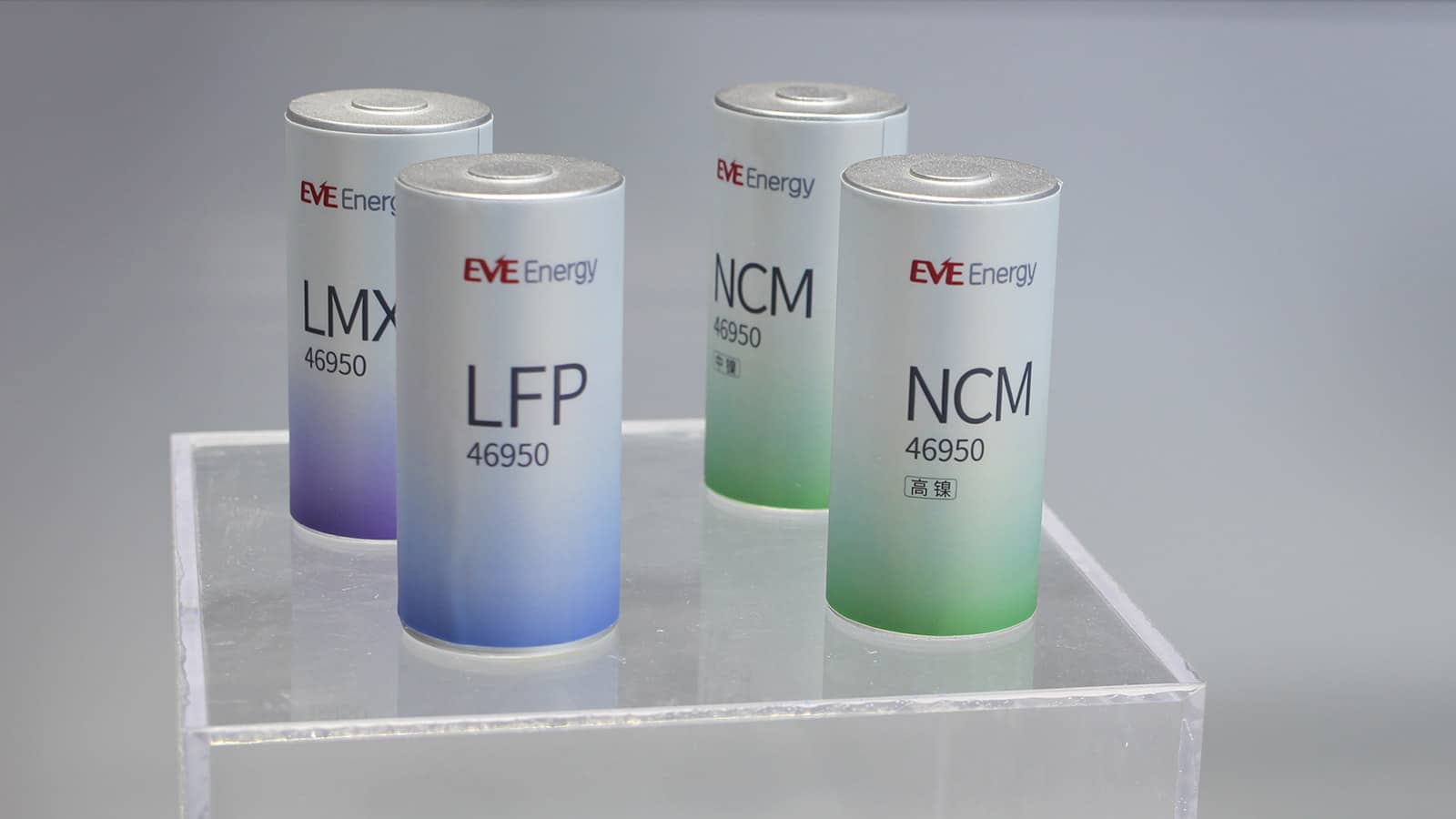
Fast forward to June 17, and Ford proudly announced the successful trial production of their first batch of prismatic LFP battery cells. These cells are undergoing rigorous testing to ensure they meet CATL’s strict quality standards—aiming for a defect rate of just one in a billion. Expect the first automotive power batteries to roll out in 2026, destined for Ford’s economy and mid-sized electric pickup trucks.
Global Strategy for Chinese Battery Manufacturers
Meng Xiangfeng pointed out that the challenges faced by the Ford project underscore the hurdles Chinese companies face overseas. With international regulations tightening on tariffs, localization requirements, and carbon footprint standards, the old model of simply exporting batteries is quickly becoming outdated.
“Battery companies expanding overseas must prioritize compliance,” Meng said, emphasizing the need for Chinese firms to build strong regulatory capabilities. They also have to engage with local communities to develop standards and policies that give them a competitive edge.
Interestingly, there have been whispers that CATL might license its technology to GM in order to produce LFP batteries in the U.S. That would be another significant step for CATL in the American market.
| Metric | Value | Notes |
|---|---|---|
| Investment in U.S. Plant | $3.5 billion | Wholly-owned LFP battery plant |
| Battery Capacity | 35 GWh | Supports 400,000 EVs |
| Target Defect Rate | 1 in 1 billion | Quality standard for cells |
This whole scenario raises questions for consumers: Should you consider a Ford EV down the line? The partnership with CATL means you can expect solid battery tech. But are there any concerns? As the U.S. market navigates through these changes, it’s crucial to stay informed about charging compatibility and service availability.
With CATL’s roots deep in the battery game, the impact of their U.S. facility will ripple through the industry. If you’re eyeing an electric truck or car, keep this on your radar. The landscape is changing, and it could mean good things for buyers seeking efficiency and reliability.