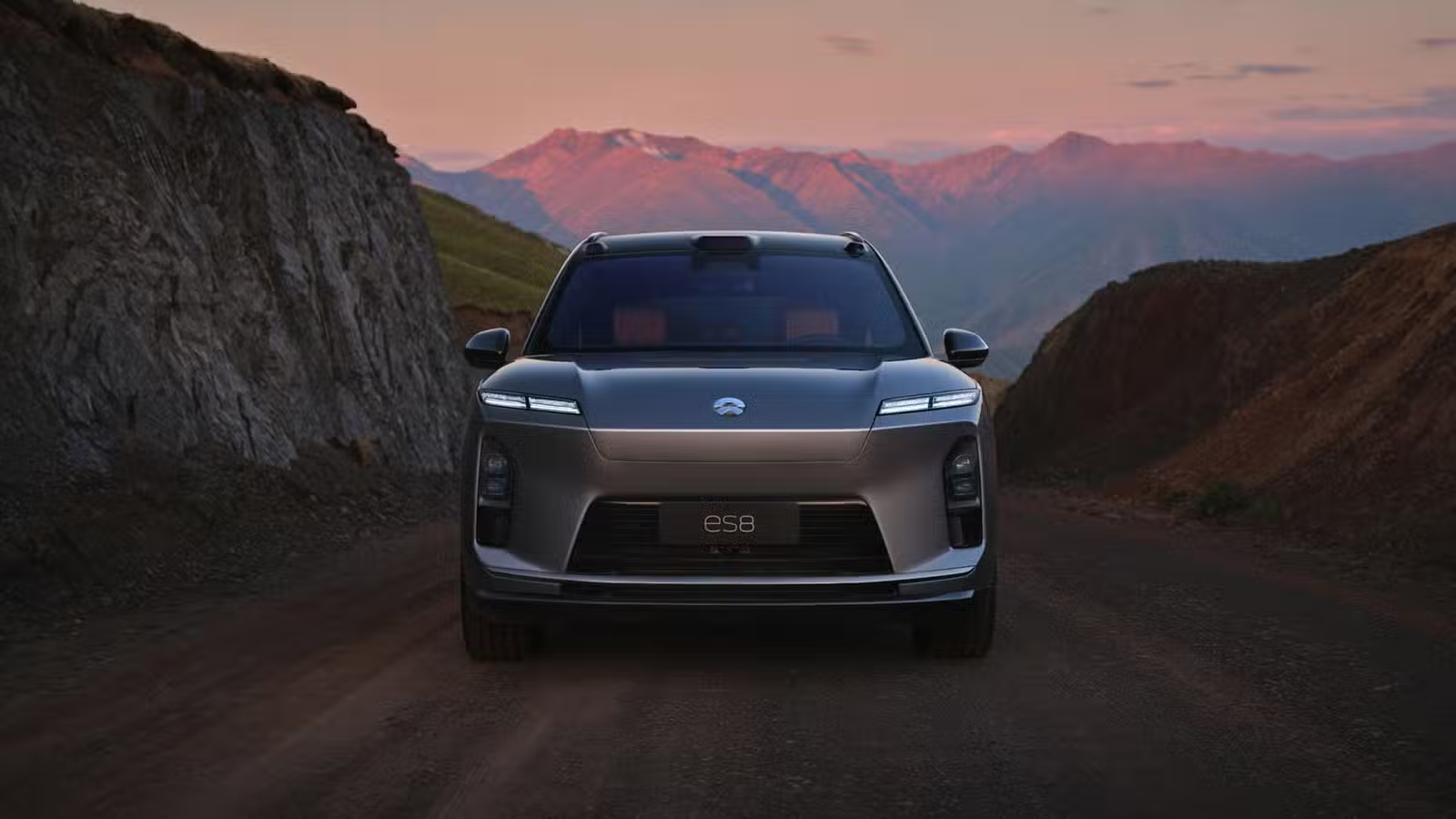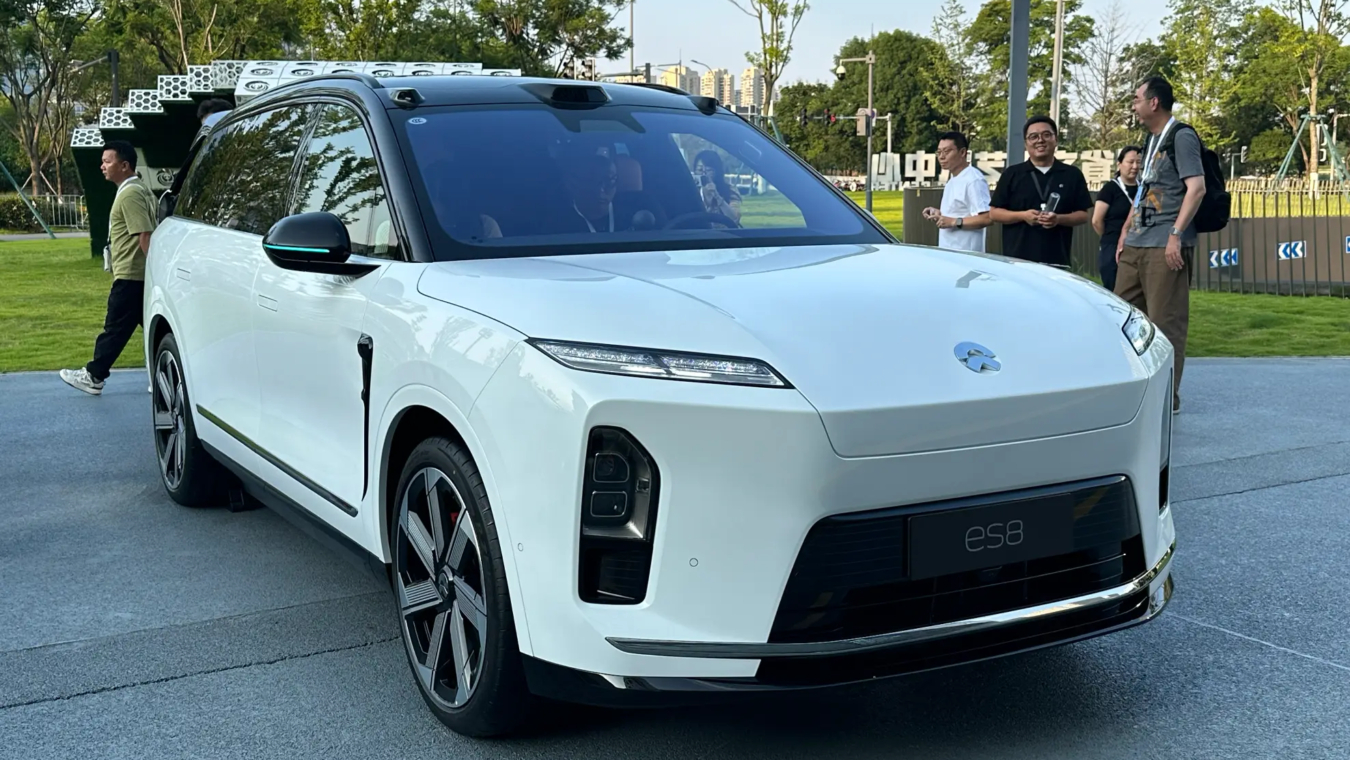

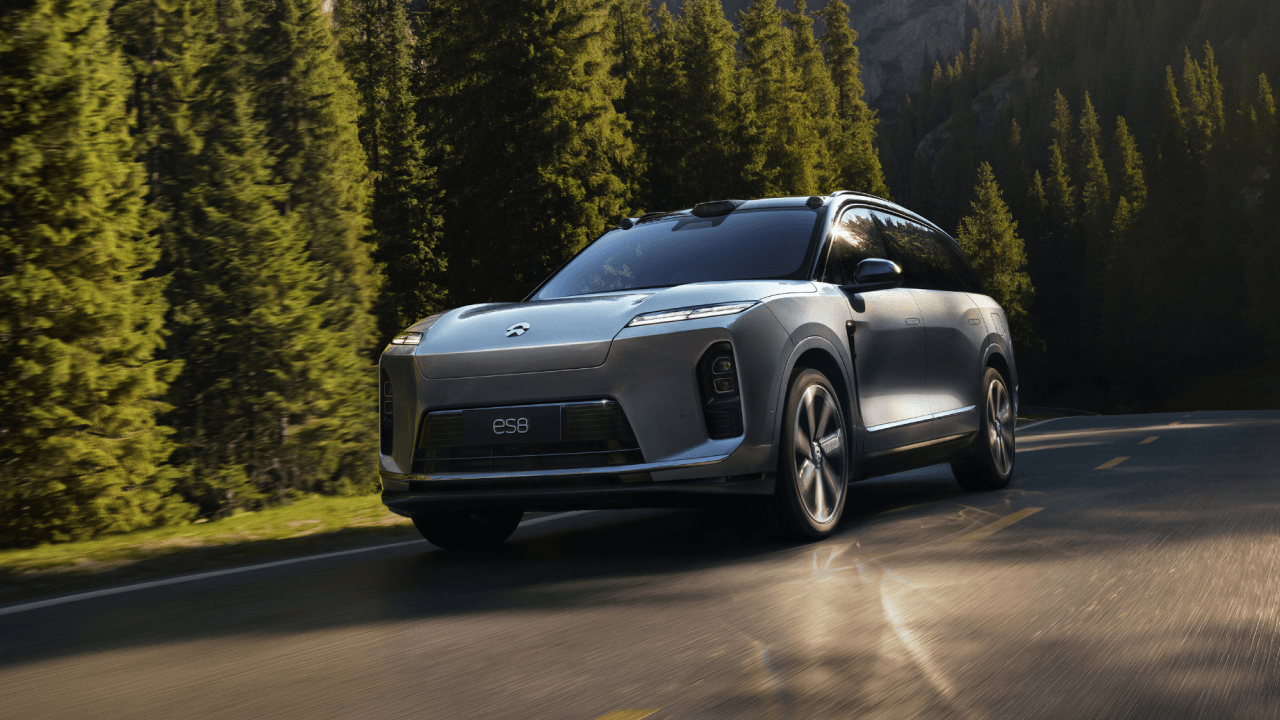
NIO has just rolled out the five-seat version of its ES8, starting at RMB 382,800-422,800 ($56,340-$62,230) for a full purchase, or a more affordable RMB 274,800-314,800 ($40,450-$46,340) with their Battery-as-a-Service (BaaS) model. On the surface, it looks like a smart addition, but is it really?
The five-seater ES8 is designed to offer more passenger space and a bigger cargo area compared to its six- and seven-seat siblings. It’s not just about removing the third row; it’s about making the cabin feel more spacious, and man, does it deliver. You get a generous 7.05 square meters of interior space, giving the passengers ample breathing room.
| Metric | Value | Notes |
|---|---|---|
| Cargo Capacity | 2,845 liters | With seats folded |
| CLTC Range | 655 km | Higher than six- and seven-seat versions |
| 0-100 km/h Acceleration | 3.9 seconds | Slightly faster than its siblings |
With a headroom of 1,063 mm and maximum legroom of 1,376 mm in the second row, you’re looking at a cabin that feels less like a cramped SUV and more like a spacious lounge. And if you fold the seats down, you can create a nearly flat bed that’s 1,939 mm long. Whether you’re hauling ski gear or a weekend’s worth of luggage, this thing has your back.
But it’s not just about space. The ES8 five-seater introduces NIO’s signature “Aviation Zero-Gravity Seats” up front, offering 20-way power adjustments and a one-touch zero-gravity mode for those longer drives. The second-row seats come with heating, ventilation, and even massage functions—talk about a touch of luxury!
Now, let’s talk cargo. The rear space jumps to 1,334 liters, compared to just 547 liters in the six- and seven-seat versions. That’s a massive increase, showcasing NIO’s commitment to practicality. At the launch, founder William Li quipped, “Five people, 21 suitcases, no pressure. Luxury sedans should upgrade,” which sums up the ES8’s approach to combining utility with luxury.
But is it just a gap-filler in NIO’s lineup? The five-seat version seems aimed squarely at a premium market where large electric SUVs are relatively rare. As it stands, the five-seat SUV segment is pretty underserved; NIO is betting they can capture this niche.
Li pointed out that while the ES8 helped boost electric penetration in the premium three-row SUV segment from 10% to 52%, the five-seat SUV market sits at a mere 6.25%. That’s a huge opportunity for NIO.
But it’s not without competition. The AITO M8 EV, backed by Huawei, enters the fray with a starting price RMB 23,000 ($3,390) lower than the ES8. It offers several variants and a respectable range of 705 km for its long-range version. The ES8 edges out the M8 in cargo capacity, but the M8 has its own unique approach to storage.
Still, the biggest competition for the ES8 five-seater might just be existing ES8 models. Those six- and seven-seat versions already provide ample space and comfort, so convincing buyers that the new five-seater is worth it will be a challenge.
Li’s jab at traditional luxury sedans like the BMW 5 Series and Mercedes-Benz E-Class also highlights another potential rival. These cars have long been the go-to for business when it comes to cargo space and luxury. NIO’s gamble is that the ES8 five-seater can attract buyers who want the luxury sedan experience but need the versatility of an SUV.
So, should you buy the new ES8 five-seater or wait for something else? If you’re after a spacious, luxury-oriented EV and can do without the third row, this could be a solid choice. Just keep in mind the competition and consider whether the added cargo space is worth the switch from a six- or seven-seat model. The five-seater might not be revolutionary, but it does carve out a niche that has been waiting for attention.